TL;DR The PreBiomed Program at Asian Institute of Business and Science (AIBS) is a two-month, full-time foundation course for Biology stream students who have finished their A/Levels. It introduces laboratory techniques, food science, pharmaceutical technology, human anatomy and physiology, and molecular biology. The tuition fee on the Uplift record is LKR 40,000.
Apply nowWaiting for A/L results or for a degree intake can leave Biology stream students with idle weeks. A short, structured programme can turn that gap into preparation for a Life Sciences degree. This guide explains what the PreBiomed Program covers, who it suits, what it costs and which questions to ask AIBS before you enrol.
What the programme is
The PreBiomed Program is a foundation course designed to give fundamental knowledge across Biomedical Science, Biotechnology, Medicine, Molecular Biology and Genetics. It is meant for candidates who expect to continue to higher studies in the Life Sciences. The course is delivered on campus at AIBS Colombo and runs full-time for two months.
It is a bridge, not a degree. The course page describes it as covering the gap between secondary education and degree-level Life Sciences study, with hands-on laboratory training and industry-related experience.
 Apply now
BSc (Hons) in Biomedical Science
KIU University · Bachelor's · Sri Lanka
- Apply now
BSc. Honours in Medical Science in Acupuncture
KIU University · Bachelor's · Sri Lanka
- Apply now
Certificate Course in Laboratory Assistant
KIU University · Certificate · Sri Lanka
 Apply now
PreBiomed Program
Asian Institute of Business & Science · Foundation · Sri Lanka
What you study
The programme has five compulsory modules.
Fundamentals of Laboratory Techniques
Food Science and Technology
Drug and Pharmaceutical Technology
Human Anatomy and Physiology
Molecular Biology and Genetics
Why this mix helps
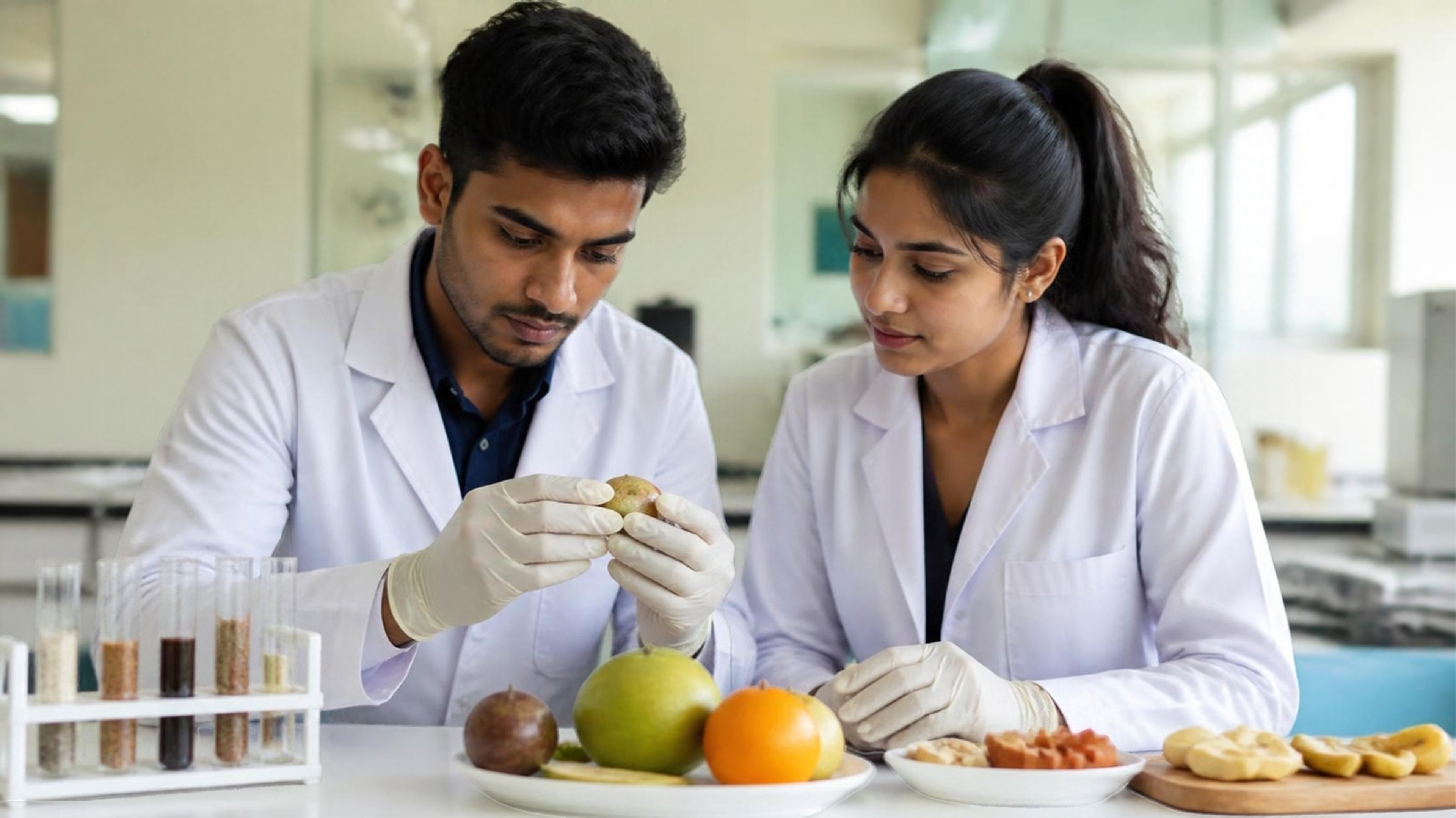
Laboratory work is a large part of a Life Sciences degree. Spending time on techniques before the degree starts gives you practice with equipment and safe working habits. The food, drug and pharmaceutical modules give a taste of where the field is applied, and the anatomy, physiology and molecular biology modules revisit ideas that degree modules build on.
The skills list on the record includes laboratory techniques, food science and technology, pharmaceutical technology, human anatomy, human physiology, molecular biology and genetics.
Who it suits
The course record says the programme is suitable for Biology stream students after A/Levels who expect to pursue higher studies in Life Sciences. It describes suitability and does not set a formal pass or grade requirement. It states no minimum number of A/L passes and no English requirement.
That makes it a reasonable option for students waiting for results, but ask AIBS how it handles students whose results are not yet released, and whether any entry checks apply.
Planning around results
If your A/L results are still pending, speak to AIBS about both this programme and the degree you plan to start next. Ask whether the programme dates line up with the degree intake, and whether a degree place can be held while you complete it. Write down the answers, because dates and entry conditions can change.
What it is and is not
The programme is a preparatory course, so treat it as a first step and not as a finished qualification. It does not replace your A/L results, and the record does not describe any award or credit that carries into a degree. Its value is the practice and the confidence it gives you before the degree starts.