TL;DR: The Certificate Course in Laboratory Assistant at KIU University is certified by TVEC at NVQ Level 03. It teaches basic laboratory techniques, equipment handling, safety and workplace skills. You need a GCE O/L pass with at least a credit (C) in Science and at least a simple pass (S) in English, and no A/L results are required.
A laboratory runs on people who prepare equipment, handle samples safely and keep records accurate. Those people are often laboratory assistants. For students who finish O/Ls with a good Science result, this certificate is a practical way into that world. This guide explains what the KIU course covers, who can join and where it can lead.
What the course covers
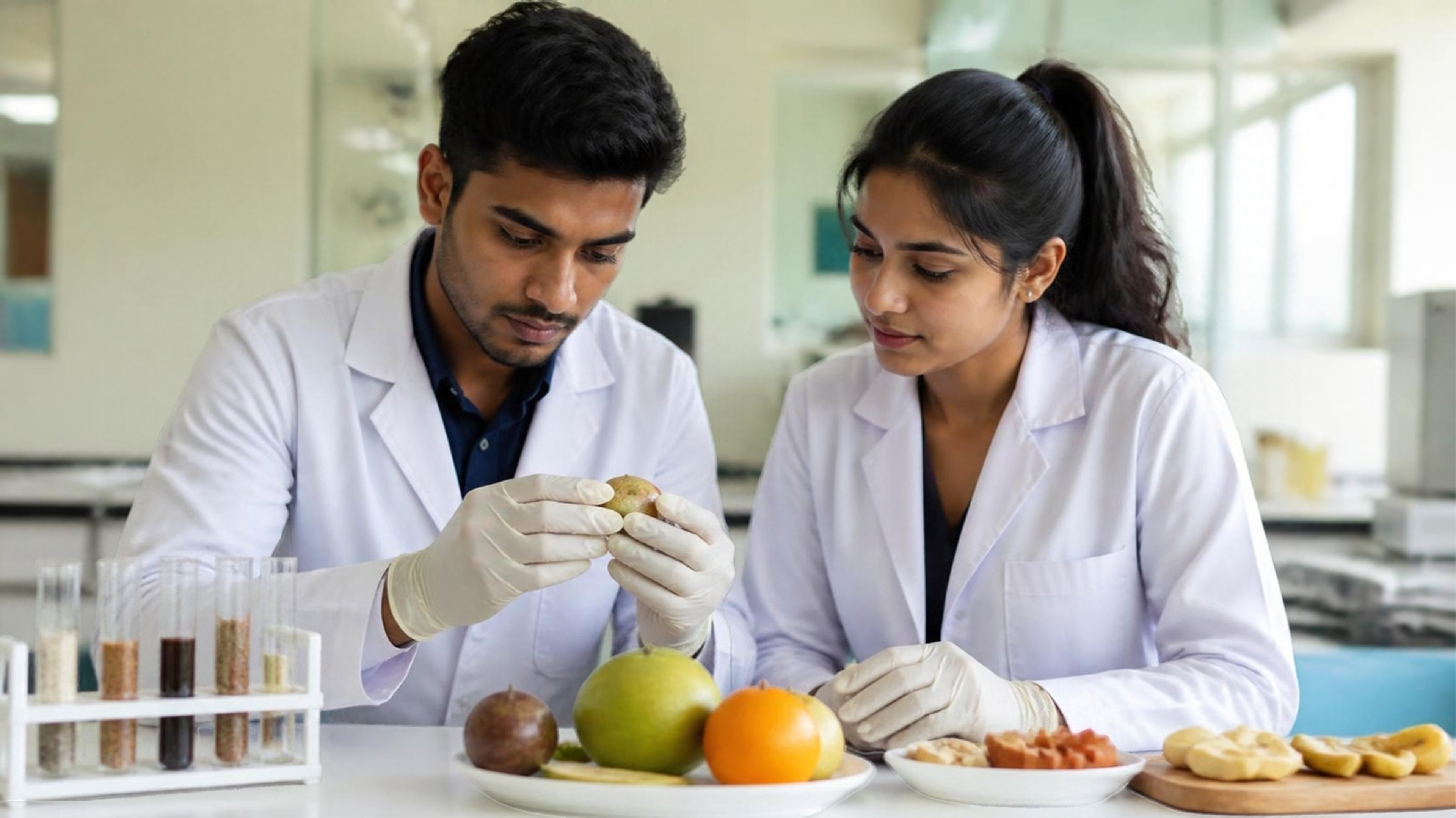
The Uplift course page describes the programme as an Advanced Certificate Course designed to give in-depth knowledge of basic laboratory techniques and equipment. It builds the practical, administrative and clerical skills needed to work as a professional and analytical laboratory assistant.
The learning areas listed on the page are:
The laboratory environment, tools and equipment
Technical English for the workplace
Basics of information technology
Laboratory waste management and disposal
Communication skills for the workplace
Occupational safety and health
Workshop calculation and science
Teamwork principles
The skills the page highlights are laboratory techniques, equipment handling, occupational safety and health, technical communication, IT fundamentals and teamwork.
Accreditation
The course is certified by the Tertiary and Vocational Education Commission (TVEC) at NVQ Level 03. An NVQ award shows that your skills were assessed against a national standard. As with any vocational course, ask the institute for the registration details and check them on the TVEC website before you pay.
Entry requirements
The entry rules on the course page are simple.
A pass in GCE O/L or International O/L with at least a credit (C) in Science.
At least a simple pass (S) in English.
No A/L requirement and no age requirement is mentioned. That makes this course a realistic option for O/L leavers who want a vocational start.
Where it can lead
The course page says graduates are prepared for roles as laboratory assistants in hospitals, diagnostic labs, research institutions and the pharmaceutical industry. It also describes the programme as ideal for people seeking careers in biomedical, clinical or research laboratories.
This is an entry-level qualification. Many students use a certificate like this to start working, then study further while they gain experience. If you want a longer route into the sciences, Uplift lists degrees in biomedical science, biotechnology and related fields. Read our guides to the biomedical science degree in Sri Lanka and the biotechnology degree in Sri Lanka. If you are comparing health careers, our guide to alternatives to medicine for biology stream students may also help.