TL;DR: The Caregiver Certificate Course at KIU University is a full-time programme of three months, accredited by TVEC at NVQ Level 03. It combines caregiving theory with supervised practical sessions. You need your O/Levels with at least a simple pass (S) in English, plus a genuine interest in looking after people.
Looking after an elderly parent, a patient at home or a young child is work that deserves proper training. A short certificate is a quick, recognised way to learn it. This guide explains what the KIU course covers, who can join, and what to ask before you enrol.
What the course is
The Caregiver Certificate Course is a certificate-level programme offered by KIU University. The Uplift course page describes it as a programme that joins essential caregiving principles with hands-on training, so that learners can give safe, compassionate and person-centred care.
The course runs for three months, full-time. It is accredited by the Tertiary and Vocational Education Commission (TVEC) at NVQ Level 03, which is a national vocational qualification level you can verify on the TVEC website. Teaching mixes theory with supervised practical sessions, so you practise the skills before you work with real clients.
 Apply now
Caregiver Certificate Course
KIU University · Certificate
- Apply now
Certificate Course in Financial and Management Accounting
KIU University · Certificate · Sri Lanka
- Apply now
Certificate Course in HR Analytics
KIU University · Certificate · Sri Lanka
- Apply now
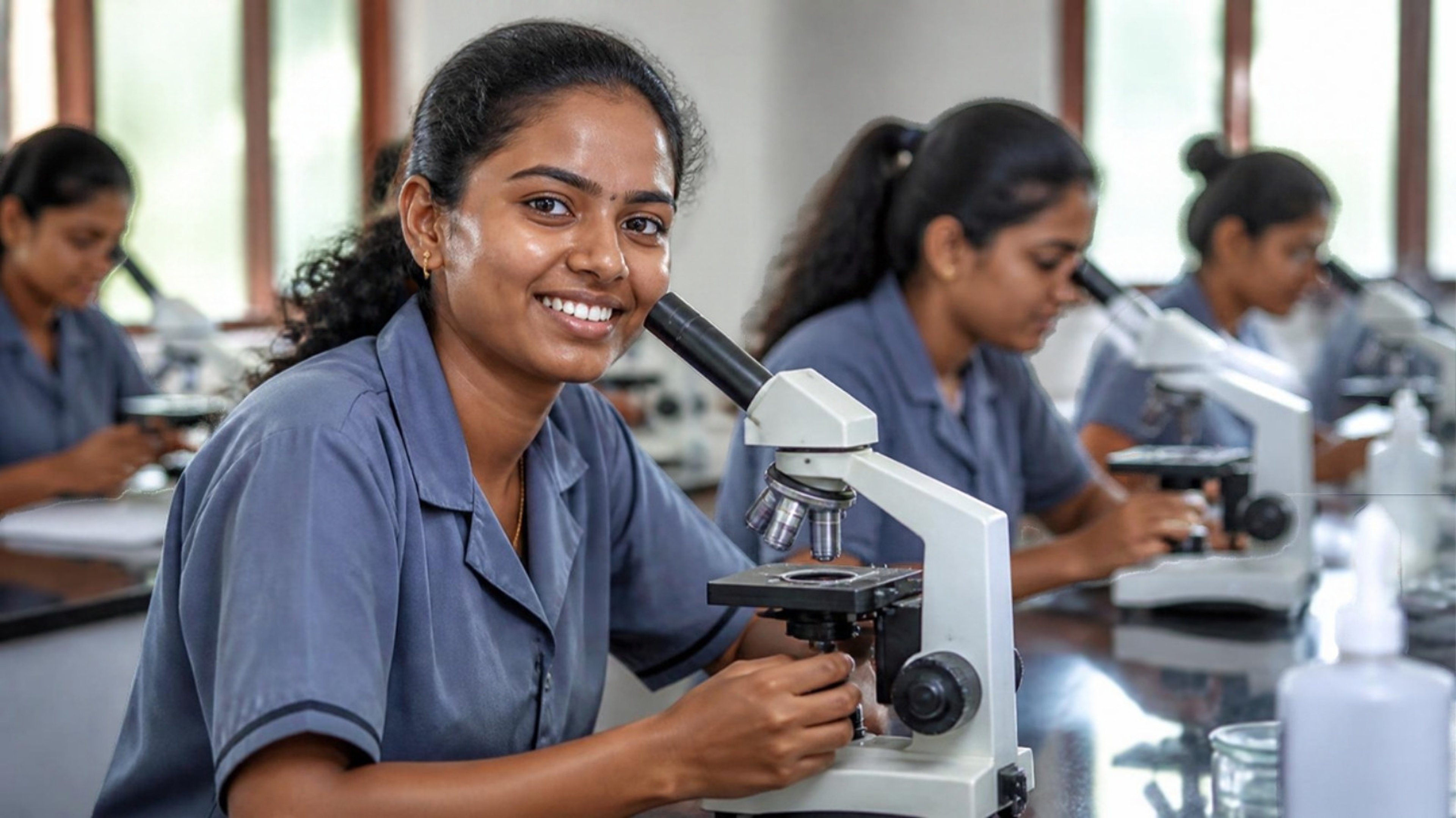
Certificate Course in Laboratory Assistant
KIU University · Certificate · Sri Lanka
- Apply now
Certificate in Clinical Competency in Acupuncture
KIU University · Certificate
- Apply now
Certificate in Digital Business Developer
KIU University · Certificate · Sri Lanka
- Apply now
Certificate in English Language Competency (Advanced Level)
KIU University · Certificate · Sri Lanka
- Apply now
Certificate in English Language Competency (Elementary Level)
KIU University · Certificate · Sri Lanka
- Apply now
Certificate in English Language Competency (Intermediate Level)
KIU University · Certificate · Sri Lanka
Who can join
The entry rules on the course page are short and clear.
You have completed the GCE O/L examination with at least a simple pass (S) in English, or you hold an equivalent qualification.
You have basic literacy and numeracy skills.
You have a genuine interest in caregiving and helping others.
You are in good physical and emotional health, suitable for caregiving work.
No A/L results are mentioned, and no separate English test is required. If you have not passed O/L English, speak to KIU about equivalent qualifications before you apply.
Why the NVQ level matters
NVQ stands for National Vocational Qualification. A level 03 award tells an employer that your skills were assessed against a national standard rather than only by the institute that taught you. Anyone who hires a caregiver is trusting that person with someone's health and dignity, so a verifiable qualification gives them something solid to rely on.
Before you pay any deposit, ask the institute for the TVEC registration details of the course and check them yourself on the TVEC website. This is good practice for every vocational course in Sri Lanka, not only this one.
What a caregiver does
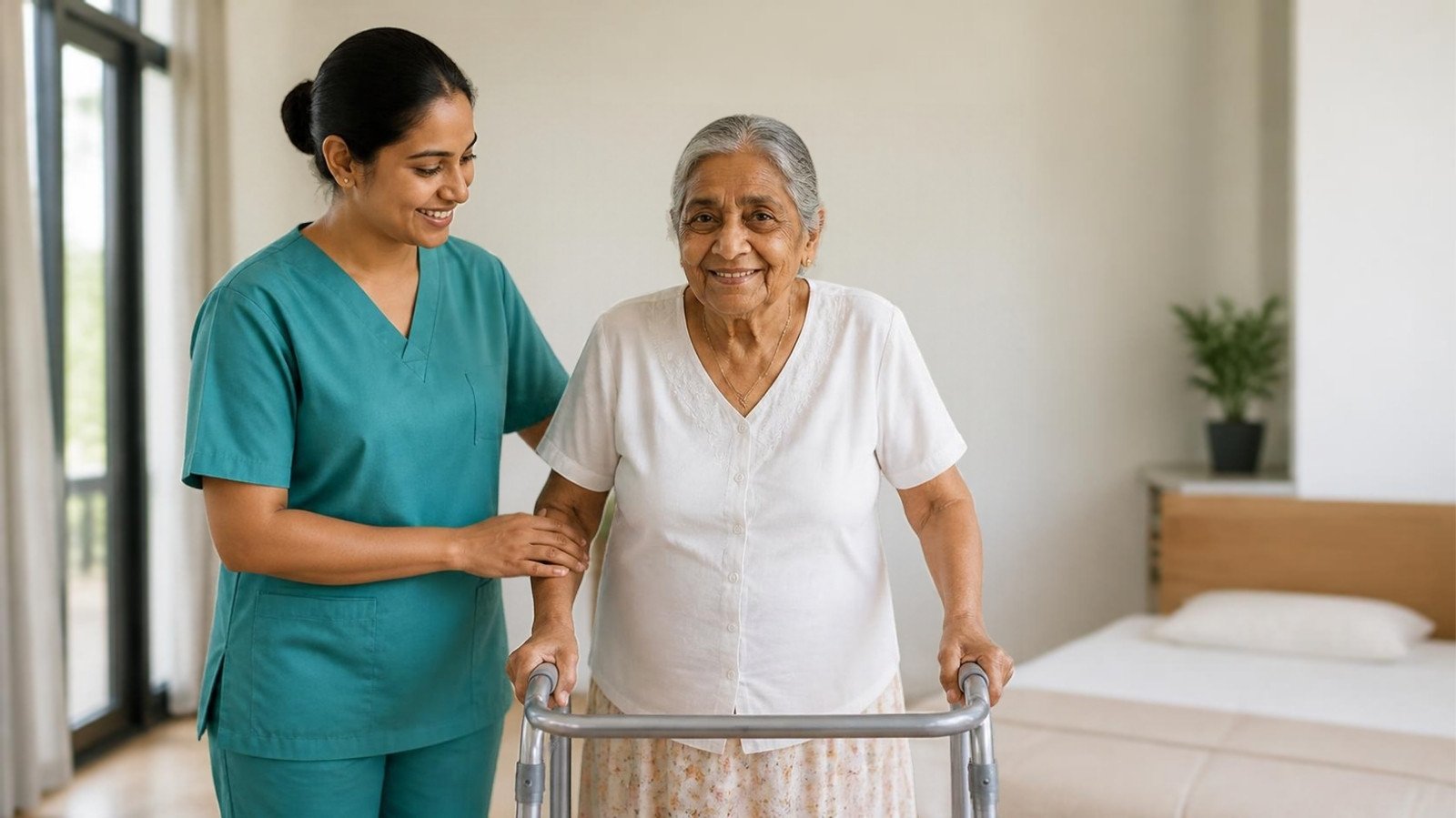
A caregiver supports people who cannot fully look after themselves. That can mean helping with washing, dressing, meals and mobility, giving reminders for medicine that a nurse or doctor has prescribed, keeping the person safe, and giving company and comfort. The course page describes the approach as person-centred, which means the care is built around the needs and preferences of the individual.
Caregiving is demanding work. It asks for patience, a calm manner and physical stamina, which is why the entry rules mention health and a real interest in helping others. If you are unsure, talk to someone who already works as a caregiver before you commit.
Where this course fits in your plans
A three-month certificate is a starting point, not a final qualification. It suits several kinds of student.
O/L leavers who want a job-ready skill soon after school.
Adults changing careers who cannot take a long full-time course.
People already caring for a family member who want formal training.
Students who are thinking about nursing and want to test whether care work suits them.
If you later want a longer health qualification, Uplift lists nursing and health science programs from several institutes. Our guide to BSc nursing routes for working nurses shows how that path works. For other short options, see certificate courses in Sri Lanka compared.